Historical Background
By 1774, years of tension between the Thirteen Colonies and King George III had reached a breaking point. Parliament passed the Coercive Acts (called the Intolerable Acts in the colonies) to punish Boston for the Tea Party, closing the port and dissolving the colonial government. The First Continental Congress met in September 1774 at Carpenters’ Hall in Philadelphia to coordinate a response, but fighting had already begun at Lexington and Concord in April 1775.
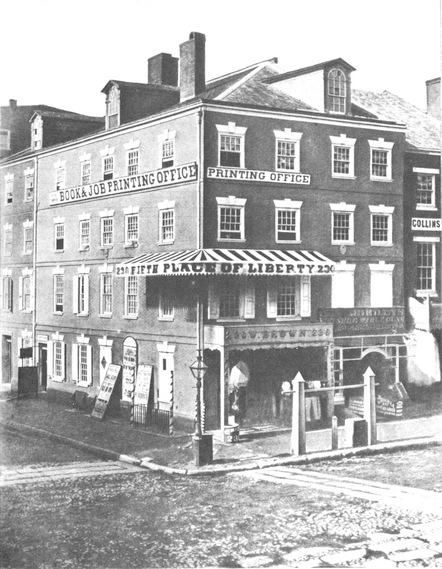
By the spring of 1776, two things shifted American opinion decisively. First, Thomas Paine’s pamphlet Common Sense (January 1776) argued for independence in plain language that ordinary colonists could understand. It sold hundreds of thousands of copies and was read aloud in taverns and meeting houses across the colonies. Second, King George hired Hessian mercenaries (German soldiers) to fight the colonists and declared the colonies in rebellion, dashing hopes of reconciliation.
On June 7, 1776, Richard Henry Lee of Virginia introduced a resolution to Congress declaring independence. Congress delayed the vote to allow delegates to seek new instructions from their colonies, but appointed a Committee of Five — Thomas Jefferson, John Adams, Benjamin Franklin, Roger Sherman, and Robert R. Livingston — to draft a document explaining the decision.
Jefferson wrote the first draft in isolation between June 11 and June 28, 1776, from the second floor of a boarding house at 700 Market Street in Philadelphia (now called the Declaration House). He wrote on a portable writing desk of his own design. Adams and Franklin reviewed the draft, and Jefferson incorporated minor changes before presenting it to Congress on June 28.
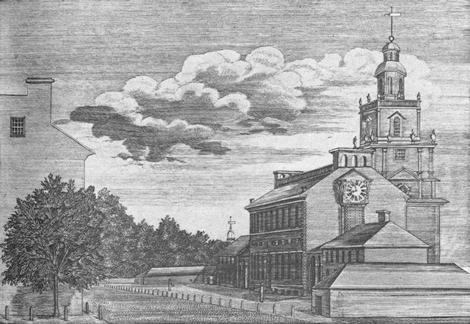
Congress debated the draft for three days, removing nearly a quarter of the text. The most significant deletion was a passage condemning the King for the transatlantic slave trade — removed to appease South Carolina and Georgia. Congress approved the final text on July 4, 1776. The famous signed parchment copy was engrossed (written in clear handwriting) by Timothy Matlack and signed primarily on August 2, 1776.
The 56 signers committed an act of high treason against the Crown, punishable by hanging and quartering. Benjamin Franklin reportedly said, “We must all hang together, or assuredly we shall all hang separately.”
The Declaration has five parts: an Introduction explaining why they are publishing their reasons, a Preamble stating the philosophical basis for revolution, an Indictment listing the King’s abuses, a Denunciation of the British people for ignoring their pleas, and a Conclusion formally declaring independence.
📚 Complete Bundle
Get all three editions at a special bundle price
Complete Bundle
All 3 Editions · One Low Price
View the Bundle
The Declaration of Independence
Annotated • Simple English • 15-Minutes
Bundle Price $XX.XX
Save XX% vs buying separately
Annotated Edition
- Full Literary Annotations
- Detailed explanations of themes, symbols, and historical context on every page.
- Vocabulary Support
- Difficult words defined with simple explanations and example sentences.
- Chapter Summaries
- Concise summaries at the start of each chapter for quick orientation.
Simple English Edition
- Easy-to-Read Language
- Classic text rewritten with simpler vocabulary and sentence structures.
- Side-by-Side Format
- Original text alongside simplified version for comparison and learning.
- Ideal for Learners
- Perfect for ESL students, young readers, or anyone wanting a gentler read.
15-Minutes Edition
- Quick Chapter Overviews
- Each chapter condensed into a 15-minute read with all key plot points.
- Exam-Ready Format
- Ideal for test preparation, quick reviews, or busy readers.
- Key Quotes & Analysis
- Essential passages with brief analytical notes for discussion prep.
Get the Complete Bundle: All 3 editions for one low price. Start with any edition, switch anytime.
Buy Complete Bundle →